Understanding Himalayan Dog Chews

Himalayan Dog Chews originate from an ancient recipe, crafted with traditional methods utilizing yak and cow milk, offering extended chewing enjoyment for your canine companion.
Some owners soak chews in water for several hours, particularly larger pieces, to aid expansion and prevent burning during the puffing process.
For end pieces, a 5-10 minute soak in warm water precedes microwaving, preparing them for a puffed, airy texture that’s easier on sensitive teeth.
What are Himalayan Dog Chews?
Himalayan Dog Chews, also known as yak chews, are long-lasting dog treats originating in the Himalayan region of Nepal, rooted in centuries-old traditions.
These chews are meticulously crafted from yak and cow milk, employing a traditional recipe passed down through generations, offering a natural and wholesome chewing experience.
Dogs instinctively work at the ends of the chew for extended periods, gradually softening it with their saliva and chewing action – sometimes for hours!
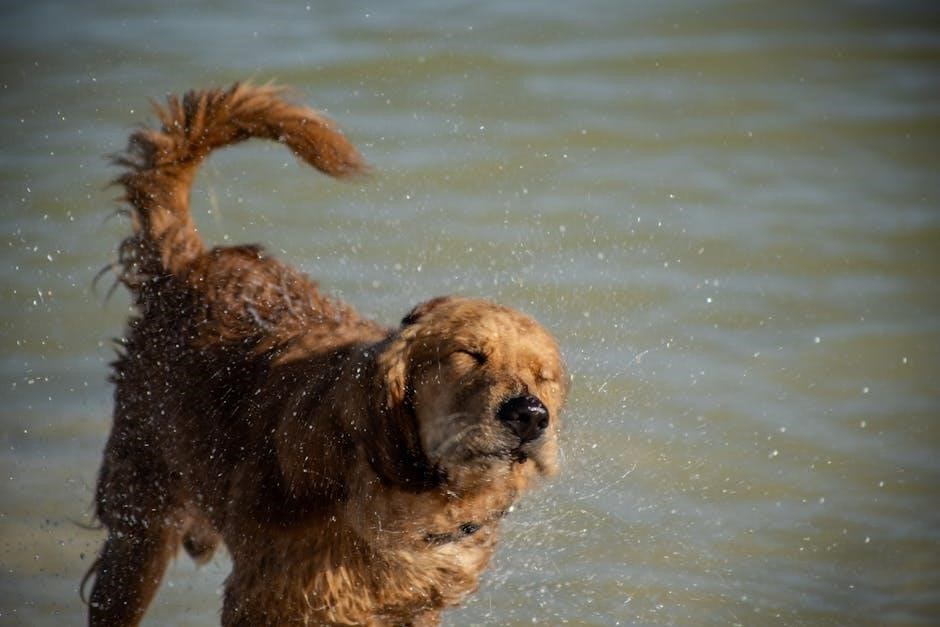
A key aspect of enjoying these chews involves a final step: puffing the small end pieces.
Before microwaving to puff, many owners choose to soak the remaining nubbin in warm water for approximately 5-10 minutes.
This brief soak helps to soften the piece and prepare it for expansion, creating a light and airy texture.
Some even soak larger pieces for a longer duration, not necessarily for puffing, but to aid in initial softening.
Ingredients and Production
Himalayan Dog Chews boast a remarkably simple ingredient list: yak and cow milk, along with a touch of lime juice and salt – a testament to their natural composition.
The production process begins with local Himalayan herders collecting fresh milk from their yaks and cows, adhering to traditional farming practices.
This milk is then carefully simmered and churned, transforming it into a dense cheese that undergoes a lengthy drying process, often spanning several weeks.
Before the final enjoyment, owners often soak the small end pieces in warm water for 5-10 minutes to prepare for puffing.
Some prefer a longer soak, even a few hours, particularly for larger pieces, to initiate softening.
This isn’t a production step, but a preparation technique employed by pet owners.
The resulting hard cheese is then hand-formed into the signature chew shape, ready to provide dogs with hours of satisfying chewing.
Preparing the Chew: Soaking Instructions
To prepare for puffing, soak the small end pieces in warm water for 5-10 minutes, or larger pieces for several hours, to soften.
Why Soak a Himalayan Dog Chew?
Soaking a Himalayan Dog Chew before puffing serves several crucial purposes, enhancing both safety and enjoyment for your furry friend. Primarily, soaking softens the dense chew, making it easier for dogs to manage, especially those with sensitive teeth or dental concerns.
For larger chew pieces, soaking initiates the softening process, preventing potential burning during microwaving and allowing for more even expansion. This pre-soaking step is particularly beneficial, as it helps the chew become airy and puffed without becoming overly brittle.
Even for smaller end pieces, a brief soak prepares them for optimal puffing, ensuring a light and digestible treat. Some owners even suggest soaking as a way to extend the chew’s lifespan, offering a softer alternative for senior dogs or those recovering from dental procedures.
Water Temperature for Soaking
When soaking a Himalayan Dog Chew, the water temperature plays a vital role in achieving the desired texture and ensuring safety. Generally, warm water is recommended for optimal softening, but avoid using boiling water directly, as it can cause the chew to expand too rapidly and potentially crack.
A common practice is to boil water and then allow it to cool slightly before submerging the chew. This provides sufficient heat to initiate softening without the risk of immediate damage. The ideal temperature is comfortably warm to the touch, similar to bathwater for a baby.
For end pieces, a shorter soak in warmer water is sufficient, while larger pieces may benefit from a longer soak in slightly cooler, yet still warm, water. Always monitor the chew during soaking to prevent over-expansion or disintegration.
Soaking Time Guidelines
Soaking time for Himalayan Dog Chews varies significantly based on the size and shape of the chew. Smaller end pieces typically require a shorter soaking period, ranging from 5 to 10 minutes in warm water, preparing them for microwaving and puffing.
Larger chew pieces, however, benefit from a more extended soak, potentially lasting for an hour or even several hours. This allows the water to penetrate the dense chew, softening it sufficiently for your dog to enjoy without damaging their teeth.
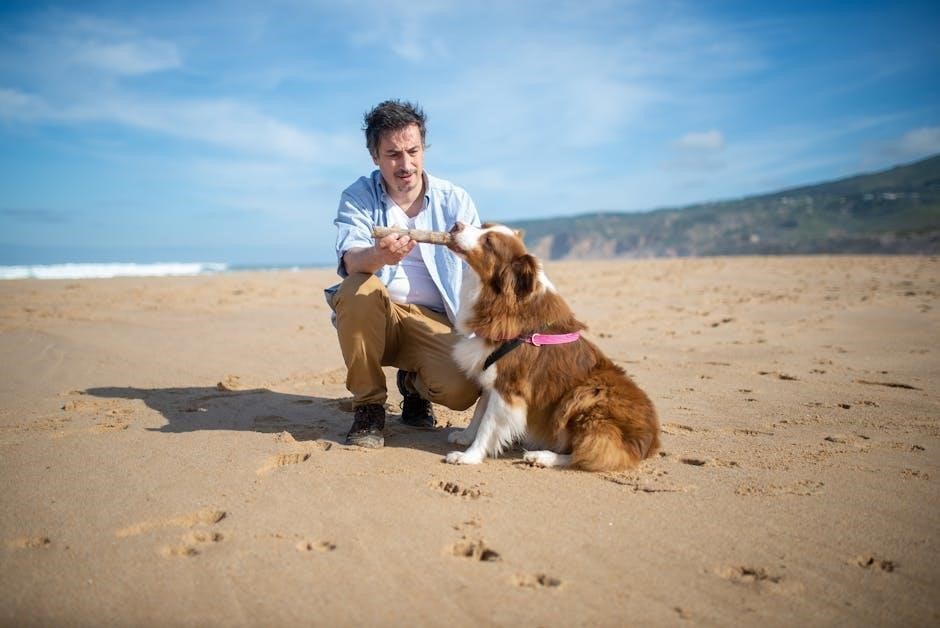
Some owners even soak larger chews overnight, ensuring thorough hydration. Remember to regularly check the chew’s consistency during soaking; it should become pliable but not fall apart. Adjust the soaking time based on your dog’s chewing strength and preferences.
Soaking Small End Pieces
When preparing small end pieces of a Himalayan Dog Chew for puffing, a brief soak in warm water is generally sufficient. Aim for a soaking time between 5 and 10 minutes; this softens the end piece just enough to expand when microwaved.
Using warm, not boiling, water is crucial to prevent the chew from dissolving or becoming overly saturated. The goal is to hydrate the surface, not completely submerge and soften the entire piece.
After soaking, place the end piece on a microwave-safe plate or bowl; Ensure it’s not overcrowded, allowing for even expansion. Remember, these smaller pieces puff up quickly, so close supervision during microwaving is essential to avoid over-puffing and potential mess.
Soaking Larger Chew Pieces
Larger Himalayan Dog Chew pieces require a more extended soaking period than their smaller counterparts. Some owners recommend soaking these for several hours, even overnight, to ensure thorough hydration before microwaving.
A helpful technique involves boiling water and then allowing it to cool slightly before submerging the chew. This warm water aids in softening the outer layer without immediately dissolving it. However, avoid using actively boiling water directly on the chew.
The extended soak helps the larger piece expand more evenly during puffing, reducing the risk of burning or uneven texture. Monitor the chew during soaking; it should become pliable but not fall apart. This preparation step is vital for achieving a satisfyingly puffed result.
Microwaving for Puffing: A Step-by-Step Guide
After soaking the small end piece for 5-10 minutes, place it on a microwave-safe plate or bowl, ready for transformation into a delightful puff!
When to Microwave the Chew
Microwaving is best reserved for when the Himalayan Dog Chew has been diligently worked down to a small, nub-sized piece – essentially, the very end remnants of the original chew.
Attempting to puff a larger portion of the chew is often difficult and may not yield the desired airy result. The goal is to transform the small piece after substantial chewing.
Prior to microwaving, ensure the chew has undergone a proper soak in warm water, ideally for 5-10 minutes for end pieces, or several hours for larger remnants to encourage expansion.
This pre-soaking step is crucial; it helps prevent the chew from burning during the microwaving process and contributes to a more even puffing experience, creating a softer, more digestible treat for your dog.
Remember, the microwave step is a final stage, maximizing the enjoyment of the already well-chewed product.
Microwave Power Levels and Time
Microwaving time varies significantly depending on your microwave’s wattage; it’s not a one-size-fits-all process. Begin with short bursts, typically 10-30 seconds, and closely monitor the chew’s expansion.
After the initial burst, check for puffing and continue in 10-second increments until the chew has expanded to a light, airy texture. Over-microwaving can result in a burnt or overly hard puff.
Generally, a medium power level is recommended to ensure even heating and prevent scorching, especially after the chew has been adequately soaked in warm water.
Remember that the soak duration influences the required microwaving time; a longer soak may necessitate shorter bursts. Always prioritize careful observation over strict timing.
Individual microwaves differ, so experimentation within these guidelines is key to achieving the perfect puff for your dog’s enjoyment.
Safe Microwaving Practices
Prioritize safety when puffing Himalayan chews; always use a microwave-safe plate or bowl, ensuring it’s free from any metallic accents. Never microwave the chew directly on the turntable.
After soaking the chew, carefully place it in the microwave and maintain constant visual supervision throughout the entire process. The puffing happens rapidly, and unattended microwaving poses a burn risk.
Be cautious when removing the puffed chew, as it will be hot. Allow it to cool completely before offering it to your dog to prevent mouth burns.
Avoid microwaving the entire chew at once; focus on smaller end pieces after sufficient soaking. This minimizes the risk of uneven heating and potential hazards.
If the chew doesn’t puff after a reasonable time, do not continue microwaving; it may be defective or too dry.

Safety Considerations
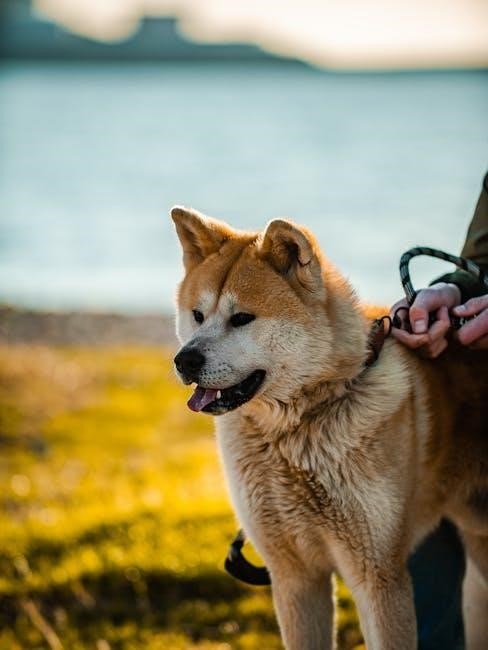
Always remove a chew when it’s worn down to a small piece; this signals the optimal time to soak and puff it for safer consumption.
Supervision During Chewing
Supervision is paramount when your dog enjoys a Himalayan Dog Chew, regardless of whether it’s been soaked in water or puffed. Constant monitoring ensures your furry friend chews safely and prevents potential choking hazards.
Even after a thorough soak, the chew retains a degree of firmness, and larger pieces, or those not fully puffed, require vigilant attention. Observe your dog’s chewing style; aggressive chewers may break off larger chunks.
Removing the chew when it becomes small enough to be swallowed whole is crucial. The internet sources indicate that the ideal time to soak and puff is when the chew is reduced to a “nubbin,” signaling it’s nearing a swallowable size. Consistent oversight guarantees a positive and secure chewing experience for your beloved pet.
Chew Size and Potential Hazards
The size of a Himalayan Dog Chew, particularly after being soaked in water, directly impacts potential hazards. Always select a chew appropriate for your dog’s size and chewing strength. Larger dogs can handle bigger pieces, while smaller breeds require smaller portions.
A significant hazard arises when the chew is worn down to a small size. Internet sources emphasize removing the chew once it’s reduced to a manageable “nubbin,” preventing accidental swallowing and potential choking or digestive blockage.
Even after a lengthy soak, hard remnants can pose a risk to dental health. Monitor for excessive wear on teeth. Discard any pieces that become sharp or splintered. Prioritizing appropriate size and diligent monitoring minimizes risks, ensuring a safe chewing experience.
Himalayan Chews for Senior Dogs & Dogs with Dental Issues
Himalayan Dog Chews can be a beneficial treat for senior dogs or those with dental sensitivities, but require careful preparation. A prolonged soak in water is highly recommended, softening the chew significantly and reducing the need for strenuous chewing.
Internet resources suggest simply soaking the chew, rather than puffing it, is ideal for dogs with missing teeth or sensitive gums. This creates a softer, more palatable texture, allowing them to enjoy the flavor without discomfort.
Extended soaking – potentially overnight – ensures maximum softness. Always supervise, even with softened chews, to prevent large pieces from being swallowed. This adaptation makes the chew accessible and enjoyable for dogs with compromised dental health.
Troubleshooting

If the chew isn’t softening adequately, try soaking it in boiling water (after turning off the heat) for a longer duration to achieve desired texture.
Chew Not Puffing Properly
If your Himalayan chew isn’t puffing as expected, several factors could be at play. First, ensure sufficient pre-soaking; a longer soak, even up to an hour or two for end pieces, can aid expansion and prevent a hard, unyielding result.
Consider the water temperature – using water that’s been boiled and then allowed to cool slightly is often more effective than simply warm water. Remember, the goal is to soften the exterior, not cook it.
Microwave variations are significant; experiment with shorter bursts of time, checking frequently. Some microwaves are simply less powerful. Trying to puff the entire chew at once is difficult; focus on the smaller end pieces after they’ve been thoroughly chewed down.
Finally, remember that microwaving won’t necessarily make the chew soft, it’s designed to create a puffed, airy texture from a softened base.
Chew Too Hard for Your Dog
If your dog is struggling with the hardness of a Himalayan chew, softening it is crucial for their safety and enjoyment. A prolonged soak in water is the most effective solution, especially for senior dogs or those with dental issues.
Simply submerge the chew in hot water – boiling water turned off the heat – for several hours, or even overnight. This allows the water to penetrate the chew, significantly reducing its hardness.
For immediate relief, a shorter soak followed by gentle microwaving can also help, but always supervise closely. Remember, the goal isn’t to completely soften it, but to make it manageable for your dog’s teeth.
Consistent soaking before each chewing session will prevent discomfort and ensure a positive experience for your furry friend.

Storage and Shelf Life
Proper storage is key to maintaining the quality and safety of Himalayan dog chews, even after soaking. Unopened chews boast a remarkably long shelf life, often exceeding seven years due to their low moisture content and natural preservation.
However, once a chew has been soaked, it requires immediate attention. Never store a soaked chew for later use; discard any unused portion to prevent bacterial growth.
Keep unopened chews in a cool, dry place, away from direct sunlight and strong odors. A sealed container is ideal. Soaking alters the chew’s composition, making it susceptible to spoilage, therefore immediate consumption post-soak is vital for your dog’s health.
Prioritize freshness and responsible disposal to ensure a safe and enjoyable chewing experience.